S Sewer Inspect Pros
Main Line Inspection in Washington, DC
Washington, DC · 20001 Local camera techs

Main Line Inspection in Washington, DC Near Me

Scope the main drain under the slab or basement floor of your Washington, DC home, where old cast iron often hides. Call (844) 468-1966 to book.

Recorded video footage
Defects logged by distance
Buyer and owner focused
Plain-language findings

The main line, or building drain, is the large pipe that collects every branch inside the house and carries it out through the foundation to the lateral. In basement homes it often runs along a wall or under the floor; in slab homes it is buried in the soil beneath the concrete. Because it sits under finished floors, it gets less attention than the yard line, yet it handles all of the house's waste.

What the camera checks inside the house

  • Cast iron condition: scale, tuberculation and channeling, where the bottom of the pipe has worn thin or open
  • Joints where branch lines tie in, a common spot for cracks and leaks
  • Under-slab sections that have settled with the soil and now hold water
  • The house trap, where older homes have one, and the cleanout fittings
  • The point where the building drain passes through the foundation and becomes the lateral

Why it matters in slab homes

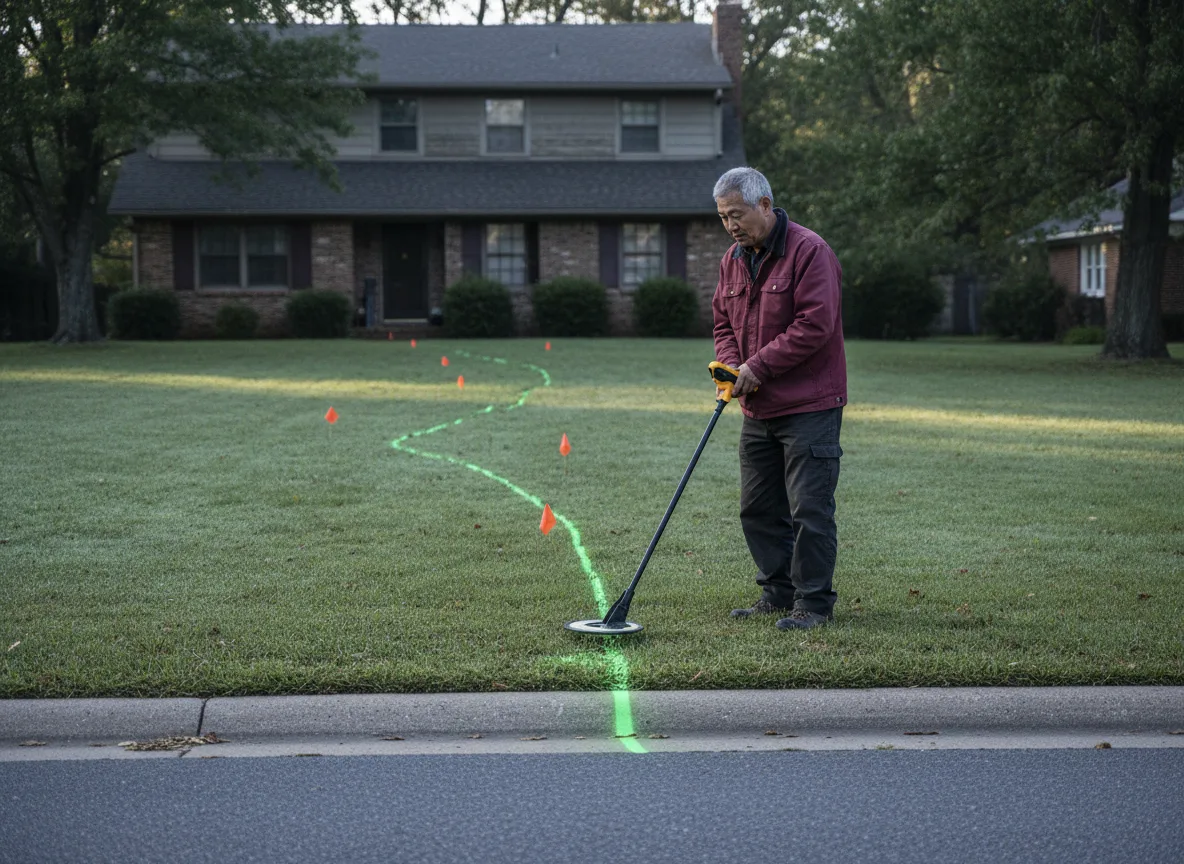
A leaking drain under a slab can wash soil out from beneath the floor without showing up anywhere until a crack, a damp spot or a smell appears. Camera footage with distance counts, combined with a locate from above, shows where under the floor a problem sits, which helps if anyone later has to cut the concrete.

Pairing it with a lateral scope

Many inspections in Washington, DC cover both pieces in one visit: the main line inside the house and the lateral outside. Ask when booking whether the access point lets the camera travel both directions, so the report covers the whole path from the house to the public main.
How it works

Four simple steps to Sewer Camera Inspection in Washington, DC

01

Tell us about your job

Call (844) 468-1966 with the address, the age of the house and the reason you want the line scoped.

02

Access point chosen

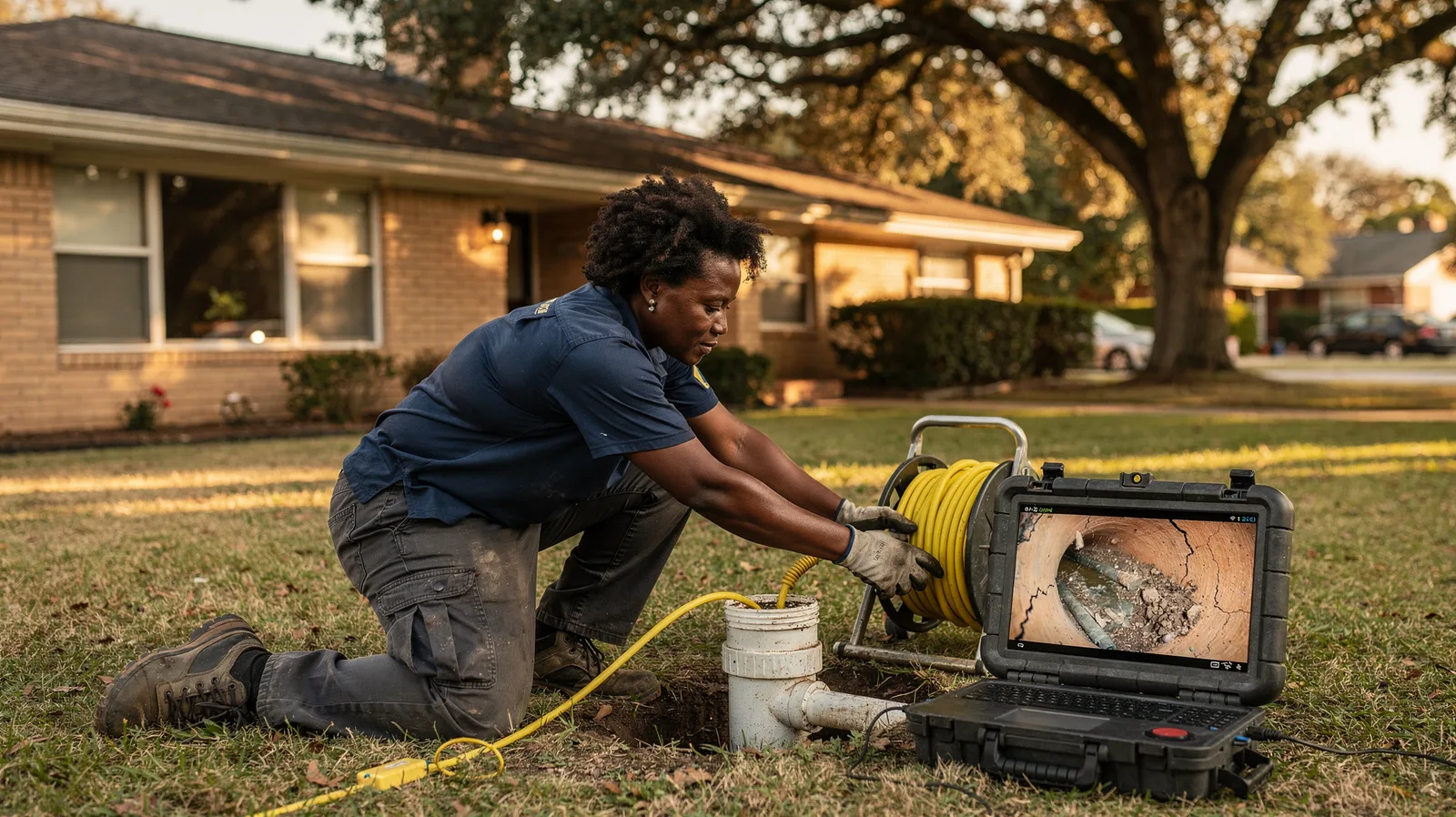
The tech goes in through a cleanout, a pulled toilet or a roof vent, whichever reaches the main line best.

03

Camera run and recording

The camera travels toward the public main or septic tank while the footage records with a running distance count.

04

Job done right

You get the video and the notes, then decide whether the line needs attention, monitoring or nothing at all.

Coverage

Sewer Camera Inspection Services Across Washington, DC

Sewer camera inspections booked in cities and towns across Washington, DC.

ZIP codes we serve

20001 20002 20003 20004 20005 20006 20007 20008 20009 20010 20011 20012 20015 20016 20017 20018 20019 20020 20024 20032 20036 20037 20045 20052 20057 20059 20064 20204 20220 20230 20240 20245 20250 20260 20317 20319 20390 20408 20415 20418 20422 20427 20431 20510 20515 20520 20530 20535 20540 20542 20551 20560 20565 20566 20591
Main Line Inspection in Washington, DC

Main Line Inspection FAQs

Frequently asked questions about Main Line Inspection

Questions we hear most often about Main Line Inspection in Washington, DC.

Talk to a real person
What is a belly in a sewer line?
A belly is a section of pipe that has sunk lower than the pipe on either side, usually because the soil underneath settled or washed out. On video it shows up as standing water that the camera dips into. Waste and paper collect in the low spot, so a line with a belly tends to clog again and again. Shallow bellies may only need monitoring; deep ones often need the section re-laid.
What does an offset joint mean on my inspection report?
An offset means two pipe sections no longer line up at the joint, so one edge sticks into the flow. Soil movement, settling, roots and freeze-thaw cycles can all cause it. A slight offset may cause no trouble, while a larger one catches paper, lets roots in and can stop a cleaning cable. The report should list how far down the line each offset sits.
What is Orangeburg pipe, and why do inspectors flag it?
Orangeburg is a fiber pipe made from wood pulp and coal tar pitch, installed widely from the 1940s into the 1970s. After a few decades underground it starts to soften, blister and flatten under the weight of the soil, and on camera it often looks oval. Because it keeps deforming, most owners plan to replace it rather than patch it.
Who is responsible for the sewer line between my house and the street?
In most U.S. cities the homeowner owns the lateral from the house to at least the property line, and often all the way to the connection at the public main, including the part under the street. Rules differ from city to city. Check with the public works department that serves Washington, DC before you approve repairs, so you know which section is yours.
Does the line need to be cleaned before a camera inspection?
Not usually. A camera can travel a working line with normal flow, and running a little water helps show the grade. If the line is fully blocked or coated in heavy grease, the camera may not pass and the line may need clearing first. For a home purchase, get the seller's permission before any cleaning, since clearing can hide conditions a buyer wants to see.

Buying a house?

Need Sewer Camera Inspection in Washington, DC? Call now.

Buying a house, chasing a backup that keeps coming back or weighing a repair bid? Call (844) 468-1966 and we will book a sewer camera inspection with a local tech.

Call (844) 468-1966 Services